
Explore the stories
behind our ethically sourced fish
Barramundi

Where to found
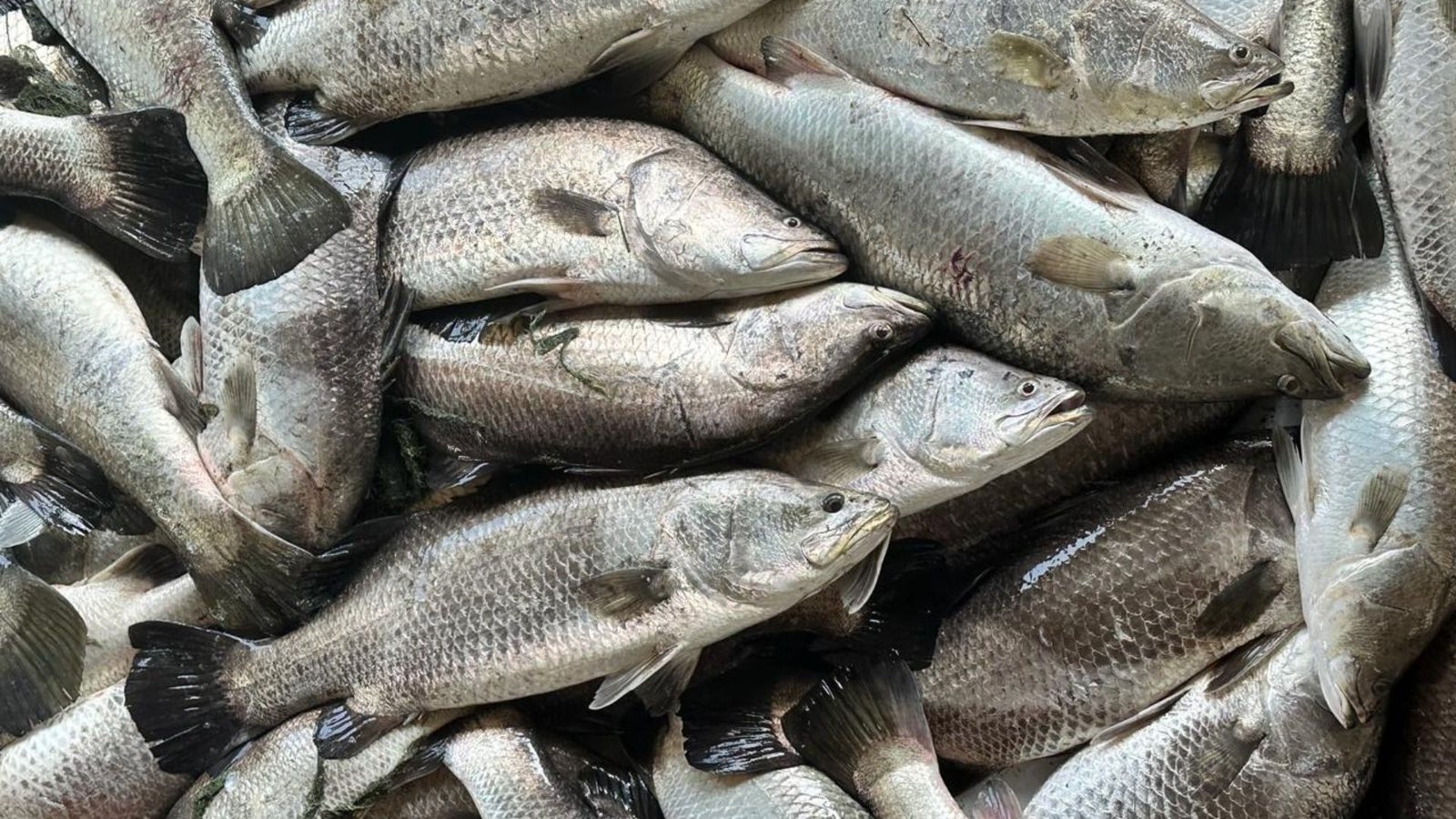
Our Barramundi is responsibly farmed in East Java, where aquaculture has long been part of the region’s coastal livelihoods. The area’s favourable natural conditions and careful water management provide an ideal environment for producing healthy, high quality fish. Sourced from a trusted farming region, our Barramundi delivers consistent quality and freshness while supporting responsible aquaculture practices.

Farming Method
Our Barramundi is cultivated through responsible aquaculture in earthen ponds, allowing for careful management of growth, water quality, and farming conditions. The farms are Best Aquaculture Practices (BAP) certified, ensuring that every stage of production follows internationally recognised standards for environmental sustainability, food safety, animal welfare, and social responsibility.
Octopus
Where to found
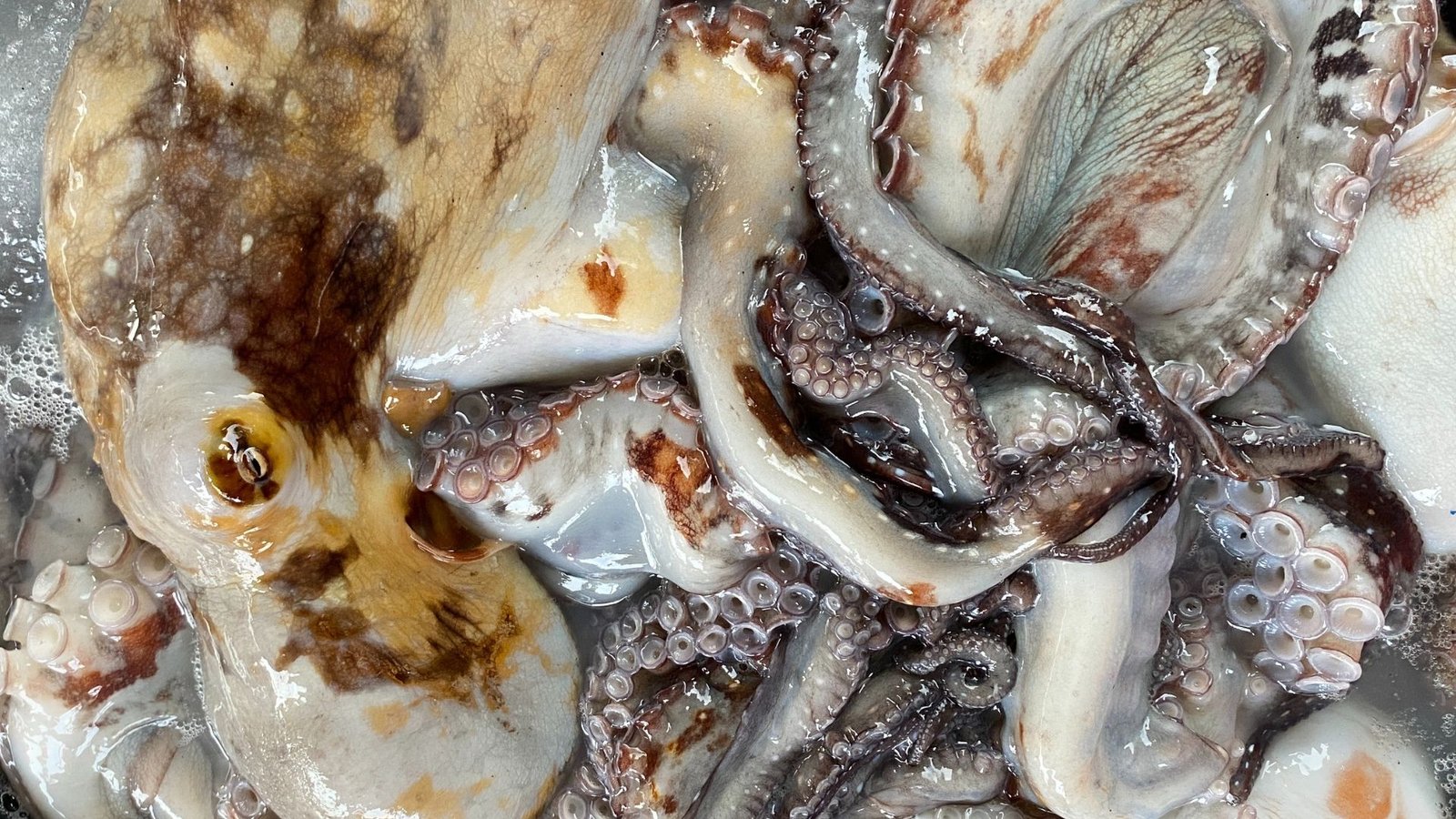
Our BSS Octopus is sourced from small scale fishers across the coastal waters of Bali, including Serangan and Uluwatu, as well as West Nusa Tenggara, East Nusa Tenggara and Sulawesi. These waters provide diverse coastal habitats that naturally support healthy octopus populations. By working closely with local fishing communities, we source fresh and traceable octopus while supporting traditional fishing practices and the livelihoods of coastal communities.
Method used to catch
Our Uluwatu Octopus is caught using handline fishing with a traditional lure called Cipo. Cipo is a locally used artificial lure designed to resemble small marine prey, particularly crabs or other crustaceans that naturally attract octopus. Attached to a handline, the Cipo is moved along the seabed to imitate the movement of prey. When the octopus approaches and grabs the lure, it is landed using the hook attached to the Cipo.
Handline fishing is a selective, low impact fishing method that allows fishers to target octopus individually, with minimal disturbance to surrounding habitats. By combining traditional knowledge with a simple handline technique, Cipo fishing reflects the close relationship between local fishing communities and the marine ecosystems that sustain them.
Pompano
Where to found
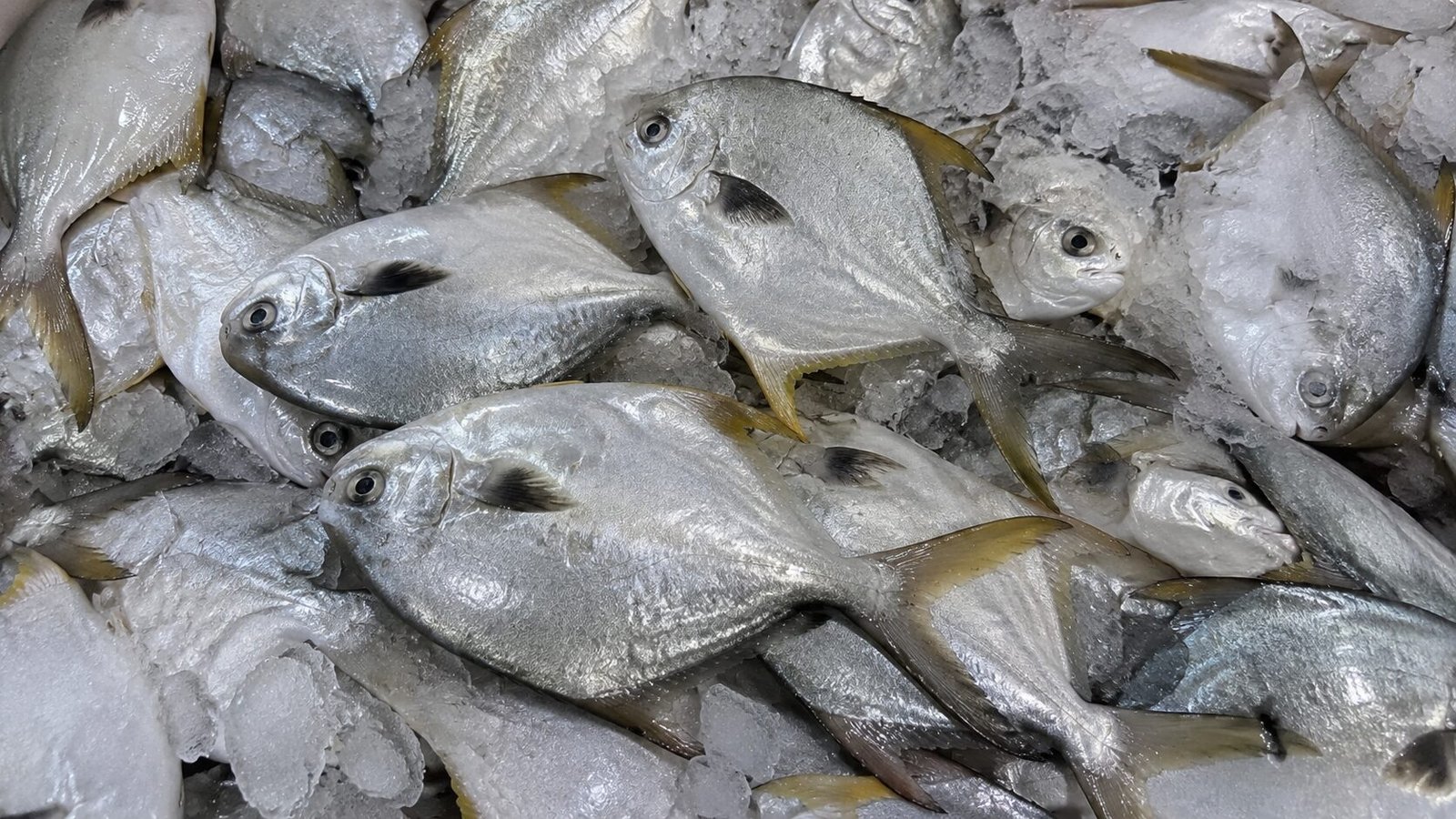
Our BSS Pompano is sourced from PT Lucky Samudra Pratama, which operates a marine culture farm in the waters of Thousand Islands, North Jakarta. The farm is located around Kongsi Island, where marine cage culture provides a natural environment for raising Pompano (Trachinotus blochii). Through an integrated aquaculture and processing system, the fish can be carefully managed from farming through to processing, helping maintain consistent quality, freshness, and traceability.
Farming Method
Our Pompano is raised through marine cage aquaculture, where the fish are cultivated in floating cages within the natural marine environment. This farming system allows continuous water exchange while providing controlled conditions for growth and fish health. PT Lucky Samudra Pratama also applies an integrated traceability system, with fish identity codes that allow their farming history to be traced from the fry stage through to maturity, including information on feed, medication, and breeding processes.
Snappers and Groupers
Where to found
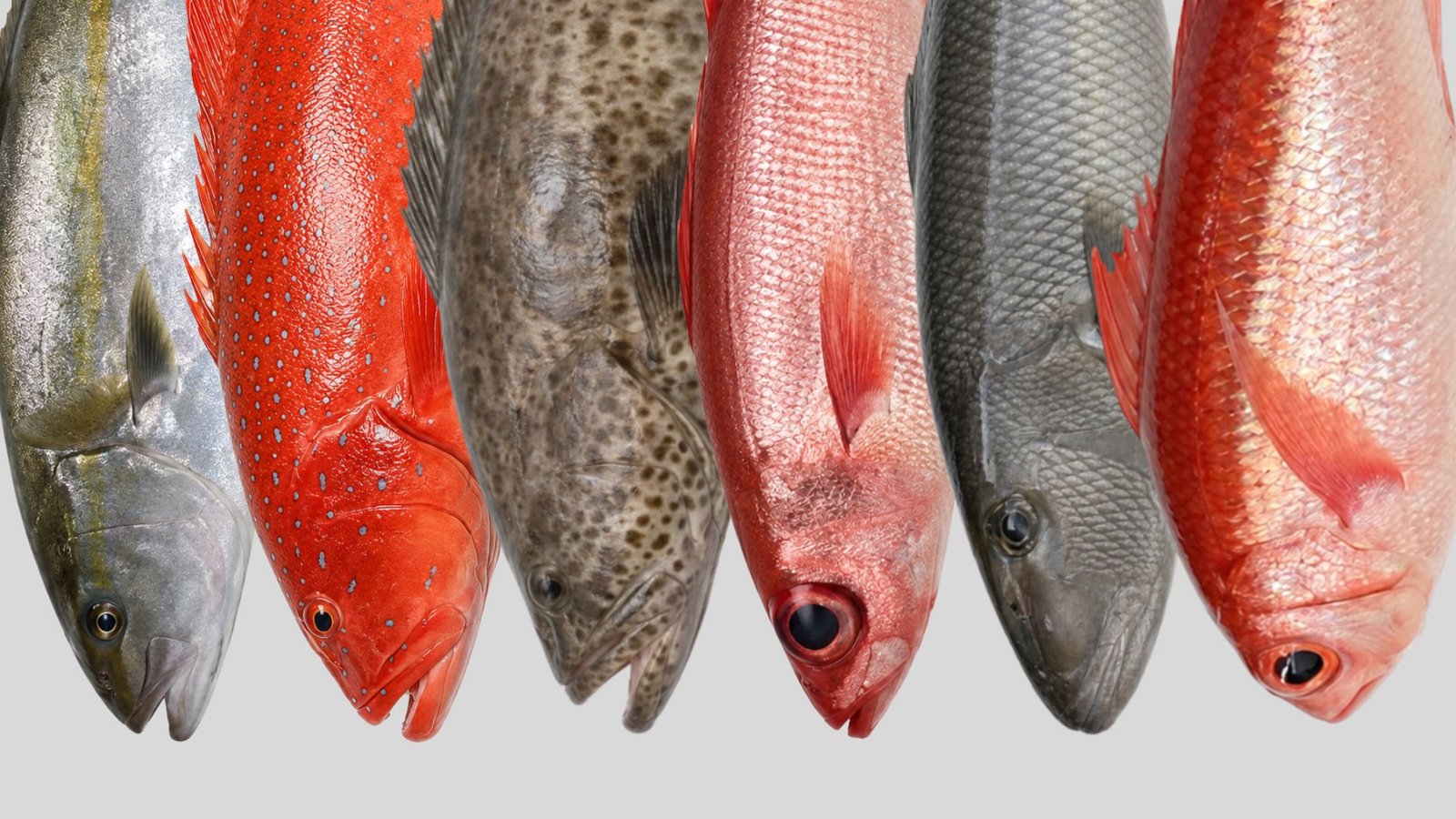
Our Snappers & Groupers are sourced from small scale fishers across the coastal waters of Bali, West Nusa Tenggara, and East Nusa Tenggara, within WPPNRI 573 and WPPNRI 713. Our sourcing also includes Saleh Bay in West Nusa Tenggara, part of WPPNRI 713, an area involved in a Fishery Improvement Project (FIP) focused on improving the sustainability of snapper and grouper fisheries.
Indonesia is home to more than 100 species of snappers and groupers, each with different growth patterns and sustainable catch size requirements. By working closely with local fishing communities and following guidance from our NGO partners, we aim to ensure that the fish we source are responsibly caught and meet the appropriate size requirements for their respective species.
Method used to catch
Our Snappers & Groupers are caught using handline fishing, a selective fishing method that allows fishers to target individual fish while minimising unwanted catch and disturbance to the surrounding marine environment.
With more than 100 species of snappers and groupers, sustainable catch sizes vary between species. Our NGO partners conduct research and assessments to establish appropriate size guidelines, which then guide our sourcing practices. Based on their recommendations, we work directly with our fishing partners to communicate the relevant size requirements and ensure that only fish meeting these guidelines are accepted.
By combining selective handline fishing with science-based size guidance, we help reduce the sourcing of undersized fish and give younger fish the opportunity to continue growing and contributing to healthy fish populations. This approach supports more responsible fisheries and the long-term sustainability of the coastal communities that depend on them.
Hemami Pasteurized Crab Meat
Where to found
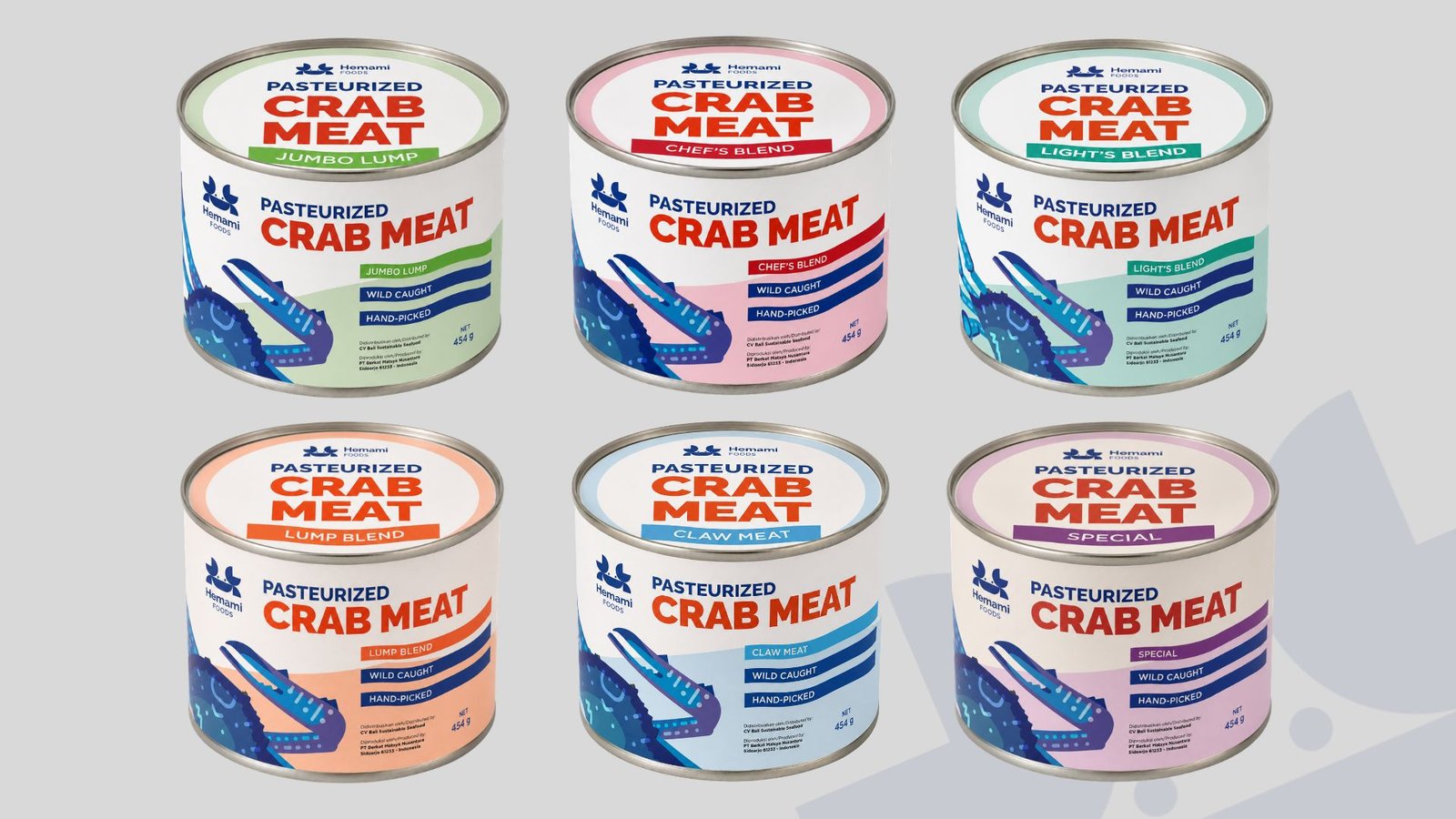
Hemami Pasteurized Crab Meat is sourced from the Java Sea within Indonesia’s designated fishing zone, WPPNRI-712, in direct partnership with local fishermen. This region is known for its abundant blue swimming crab population and consistent, high-quality catches.
Every can of Hemami crab meat is carefully handpicked by a team of 100% women pickers. Through their skill, patience, and dedication, each piece of crab meat is selected with precision to maintain consistent quality in every can. This process also creates meaningful opportunities for women and recognises the important role they play in bringing care and craftsmanship to our products.
Our production process is supported by HACCP and Halal certification, reflecting our commitment to food safety, quality, and responsible production.
Method used to catch
Our blue swimming crab is harvested using traditional Bubu (crab pot) traps, a selective and low impact fishing method. The traps allow fishers to target crab while helping minimise unwanted catch and disturbance to the surrounding marine environment. This approach supports the long term sustainability of the local crab fishery while maintaining the quality of the catch.By working directly with local fishing communities and our processing partner, we maintain a closer connection between responsible harvesting, careful handling, and quality throughout the supply chain.